Source Mobile Phone Lens for Photography, Medical, and Lighting
Compare 30 mobile phone lens options from verified suppliers. Buyers can evaluate specifications like focal length, material, and customization for photography, medical, and lighting applications. Explore wide-angle, zoom, and flat lens types with optical glass or aluminum construction. Select from various sizes and coatings to meet specific imaging requirements for diverse industries.
Key considerations
Products List









Comprehensive Sourcing Guide
Mobile Phone Lens Sourcing Guide
Procuring mobile phone lenses requires a disciplined approach to verifying technical compatibility and commercial viability. Buyers must distinguish between consumer accessory lenses and professional optical components, as the specifications differ significantly. The observed data indicates a wide range of products, from clip-on wide-angle attachments for smartphones to custom optical glass elements for industrial applications. Understanding these distinctions is critical for aligning procurement strategies with end-user requirements.
The market offers diverse options, including zoom lenses with drive motors and flat lenses for medical or lighting uses. Buyers should clarify whether they need a finished accessory or a raw optical component. For instance, some listings specify compatibility with most smartphones, while others focus on custom manufacturing for specific devices. This guide provides a framework for evaluating these options, ensuring that technical parameters, compliance standards, and cost structures are thoroughly assessed before finalizing supplier agreements.
Product Scope and Observed Listing Signals
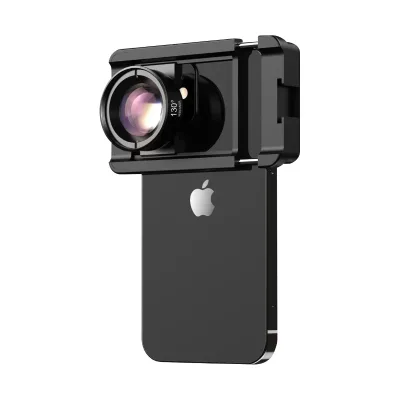
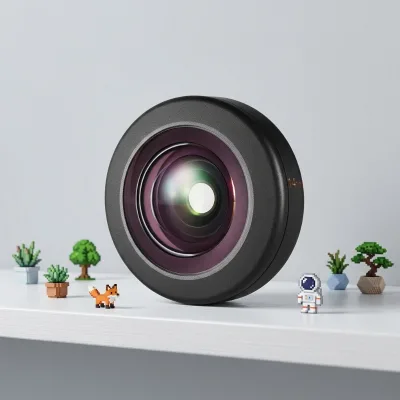
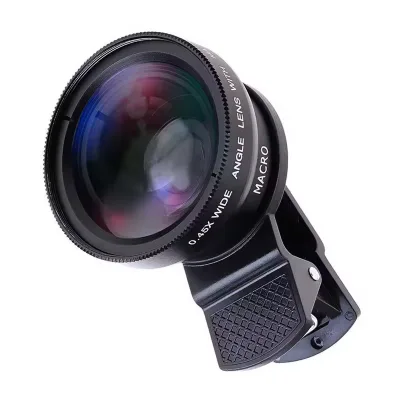
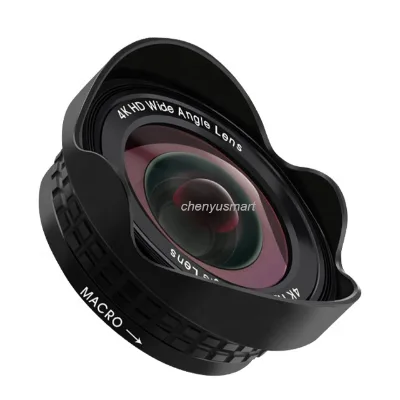
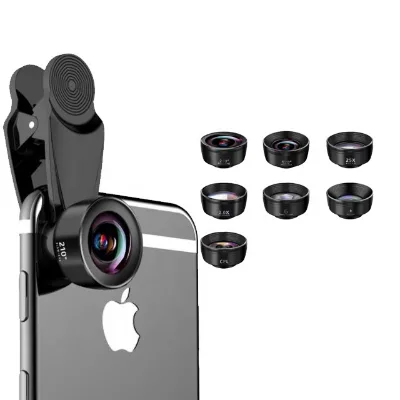
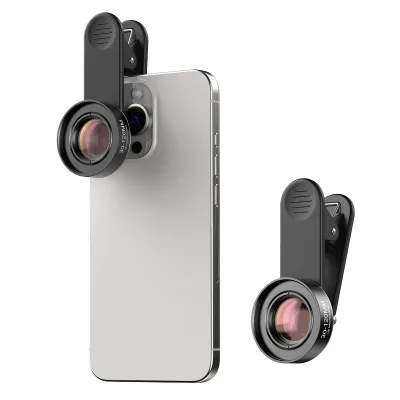
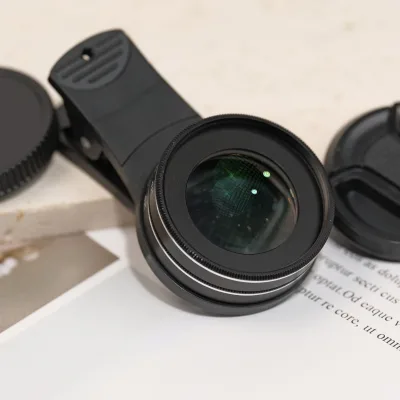
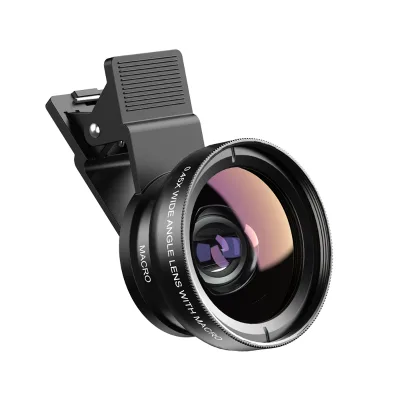
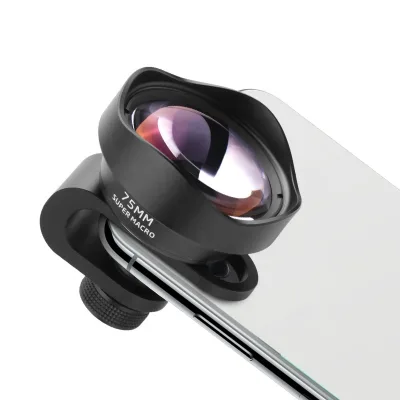
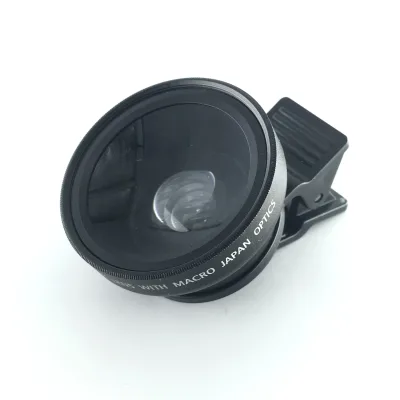
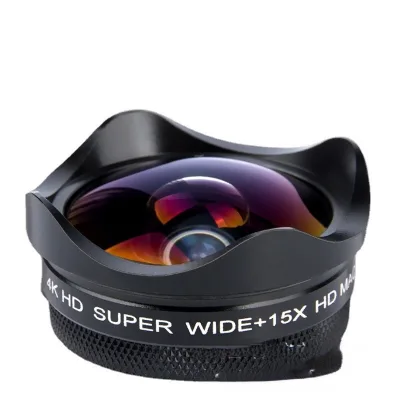
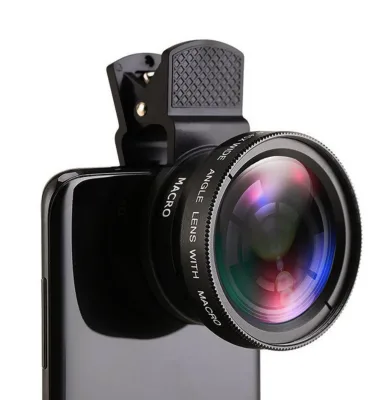
The product scope for mobile phone lenses spans from consumer-grade accessories to specialized optical components. Observed listings include wide-angle lenses with a 52mm filter size, designed to fit most smartphones via a clip mechanism. These accessories often come in gift boxes with multiple lens options, catering to photography enthusiasts. In contrast, other listings describe professional camera lenses or flat optical glass elements used in medical, lighting, or general optical applications. Buyers must identify which category aligns with their procurement needs to avoid mismatched specifications.
Listing signals reveal significant variation in material composition and design features. Some products are made from aluminum, glass, and ABS, emphasizing durability and fashion-oriented design. Others specify optical grade quartz glass or standard optical glass, focusing on high transmittance and precision. The presence of attributes like "Private Mold: Yes" and "Customized: Yes" indicates that many suppliers offer OEM services. Buyers should note that while some items are sold as single units, others are packed in cartons of 100 pieces, reflecting different distribution models.
Technical Specifications to Verify
Buyers must verify optical performance parameters to ensure the lenses meet their application requirements. Key specifications include focal length, aperture, and transmittance. For example, some lenses have a maximum aperture of F8.0, while others specify a focal length tolerance of +/-2% at 10.6um. Transmittance is often listed as greater than 95%, which is critical for high-quality imaging. Buyers should request detailed datasheets that confirm these values under standard testing conditions to avoid discrepancies between advertised and actual performance.
Physical dimensions and tolerances are equally important for integration into devices. Observed sizes range from 17mm to 48mm, with customization options available. Size tolerance is typically +0/-0.2mm, and thickness tolerance is +-0.1mm. Surface quality is specified as 40-20 or 60-40 scratch-dig, depending on the grade. Coating options include double-surface or multi-layer coatings, which affect light reflection and durability. Buyers should confirm that the surface flatness meets the required standard, such as Lambda/10 at 632.8nm, to ensure optical clarity.
Compliance and Safety Documentation
Compliance documentation is essential for ensuring that mobile phone lenses meet international safety and environmental standards. Observed certifications include CE, ISO, and RoHS, which are critical for market access in Europe and other regions. Buyers should request copies of these certificates and verify their validity and scope. For products intended for medical or industrial use, additional certifications may be required. Ensuring that suppliers maintain up-to-date compliance documentation helps mitigate legal and regulatory risks associated with non-compliant products.
Safety documentation should also include material safety data sheets (MSDS) for the glass and coating materials used. This is particularly important for lenses used in medical or lighting applications, where material purity and safety are paramount. Buyers should verify that the materials used are free from hazardous substances and comply with relevant environmental regulations. Additionally, suppliers should provide test reports that confirm the lenses meet the specified performance and safety standards, providing a clear audit trail for quality assurance.
Cost Drivers and Commercial Terms
Cost drivers for mobile phone lenses include material quality, manufacturing complexity, and customization requirements. Optical grade quartz glass and multi-layer coatings typically command higher prices than standard optical glass and single-layer coatings. Customization, such as private molds and specific size tolerances, also increases costs due to the additional engineering and production time required. Buyers should request detailed cost breakdowns to understand the impact of each specification on the final price, enabling them to make informed decisions about value versus cost.
Commercial terms, including minimum order quantities (MOQ) and payment terms, significantly impact procurement costs. Observed MOQs range from 1 to 10,000 units, with prices varying from $0.5 to $10,000 per unit. Buyers should negotiate terms that align with their inventory needs and cash flow constraints. For example, larger orders may qualify for volume discounts, while smaller orders may incur higher per-unit costs. Understanding these dynamics helps buyers optimize their procurement strategy and maintain a competitive edge in the market.
Supplier Qualification and Quality Control
Supplier qualification involves assessing the manufacturer's capabilities, experience, and quality management systems. Buyers should verify that suppliers have the necessary equipment and expertise to produce lenses to the required specifications. This includes reviewing their production facilities, testing capabilities, and quality control processes. Suppliers with a proven track record in the optical industry are more likely to deliver consistent quality and meet deadlines. Conducting site visits or requesting third-party audits can provide additional assurance of supplier reliability.
Quality control measures should include incoming material inspection, in-process checks, and final product testing. Buyers should request samples for evaluation before placing large orders to ensure that the lenses meet their specifications. Implementing a robust quality control plan helps identify and address potential issues early in the production process. Additionally, suppliers should provide detailed inspection reports and certificates of analysis for each batch, ensuring transparency and accountability. This approach minimizes the risk of receiving defective products and maintains high standards of quality.
Long-Term Procurement Checks
Long-term procurement checks involve monitoring supplier performance and market trends to ensure sustained value and reliability. Buyers should establish key performance indicators (KPIs) to track supplier metrics such as on-time delivery, defect rates, and responsiveness to issues. Regular reviews of these KPIs help identify areas for improvement and foster a collaborative relationship with suppliers. Additionally, staying informed about market trends and technological advancements enables buyers to make strategic decisions about product updates and supplier changes.
Building a diversified supplier base reduces dependency on a single source and mitigates supply chain risks. Buyers should qualify multiple suppliers for critical components to ensure continuity of supply. Regular communication and feedback loops with suppliers help maintain high standards and address any emerging issues promptly. By implementing these long-term checks, buyers can ensure a stable and efficient procurement process, supporting their business goals and maintaining a competitive advantage in the market.
FAQs
What customization options are available for mobile phone lenses?
Customization is available for mobile phone lenses with options to adjust size, coating, and surface finish. Buyers can request specific dimensions like 17mm or 48mm and choose between double-surface or multi-layer coatings. The product supports unique designs and can be tailored to meet specific optical requirements for photography or medical applications.
Which certifications do these mobile phone lenses hold?
These mobile phone lenses hold CE, ISO, and RoHS certifications to ensure safety and quality compliance. The products are manufactured in China using optical grade quartz glass and meet standard surface quality requirements. These certifications verify that the lenses are suitable for various applications including photography, optical devices, and lighting systems.
How is the mobile phone lens compatible with different devices?
The mobile phone lens is designed to fit most smart phones with a universal compatible brand designation. It includes accessories like one clip and three lenses for versatile use. The lens features a wide-angle focus type and weighs only 60 grams, making it lightweight and easy to attach to various mobile devices.
What is the minimum order quantity for mobile phone lenses?
The minimum order quantity for mobile phone lenses ranges from 1 to 10000 units depending on the specific product model. Buyers can purchase single items or larger quantities based on their needs. The selling units are listed as single items, allowing flexibility for small or large procurement orders.
Can I get mobile phone lenses with specific surface finishes?
Yes, mobile phone lenses are available with surface finishes like 60-40 Scratch-Dig or 40-20 Scratch-Dig. Custom manufacturing options allow for specific surface quality requirements to be met. The lenses also feature double-surface or multi-layer coatings that can be customized per demand for enhanced optical performance.
What materials are used to make these mobile phone lenses?
These mobile phone lenses are constructed from aluminum, glass, and ABS materials. The substrate is optical grade quartz glass, ensuring high transmittance above 95 percent. The lens grade is described as professional camera quality, combining durability with high optical clarity for various photography and optical applications.
Where are these mobile phone lenses manufactured?
These mobile phone lenses are manufactured in Shenzhen and Guangdong, China. The products originate from these locations and are packed in gift boxes or cartons containing 100 pieces. The origin ensures access to established manufacturing capabilities while maintaining quality standards for export.